← All news
3rd ExpoTIX – Fair and Exhibition of Products from the Xingu Indigenous Territory
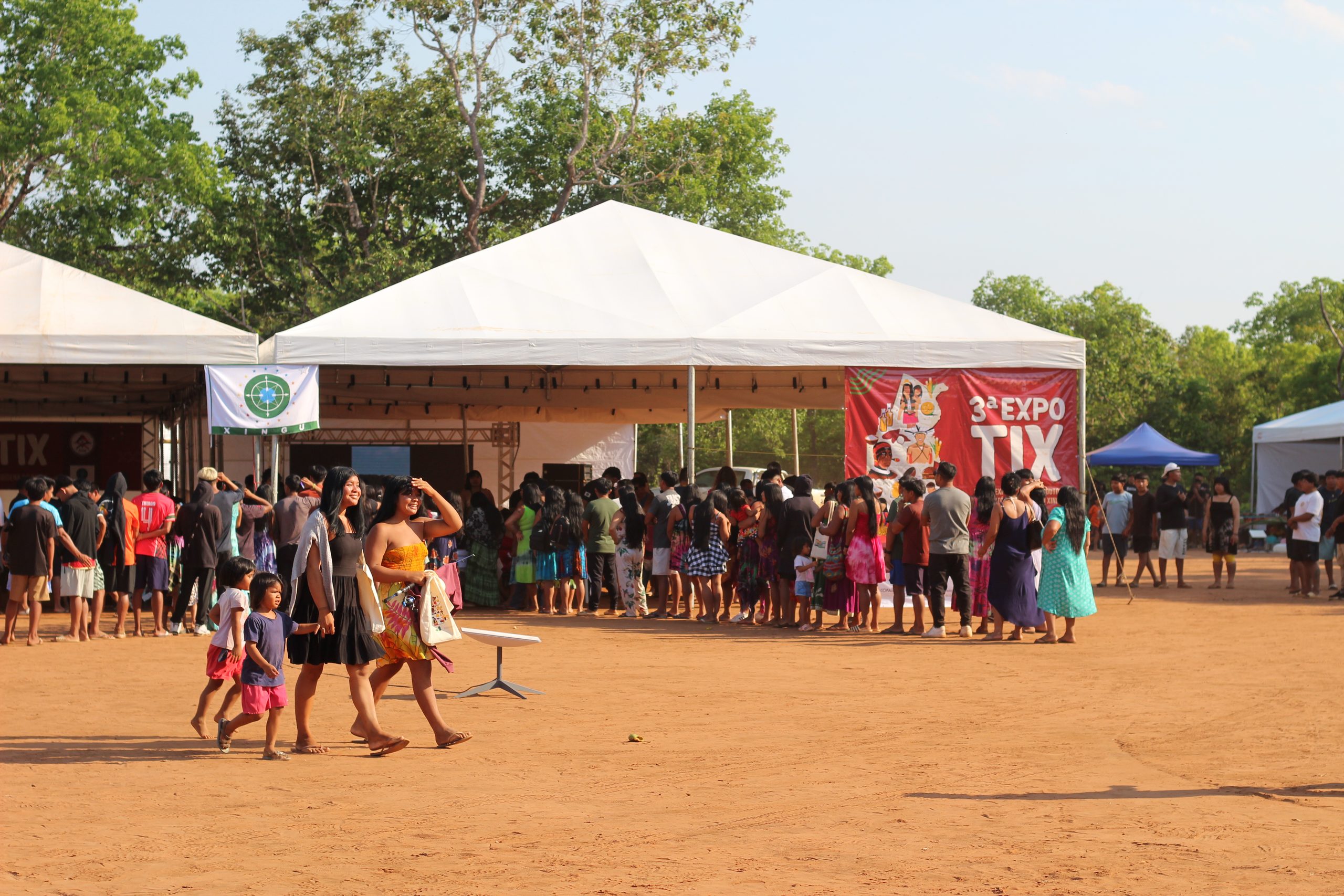
The 3rd ExpoTIX was organised by the Xingu Indigenous Land Association (ATIX), thanks to the joint efforts of many institutions that support the peoples of the territory. Among them was the Instituto Aritana, present at the Leonardo Villas-Boas hub alongside the leaders and producers of the Xingu peoples.
Representatives of partner organisations and public bodies were present:
- Instituto Socioambiental (ISA)
- Amazon Cooperation Network (RCA)
- FUNAI and its Xingu Regional Coordination
- DSEI Xingu (Special Indigenous Health District)
- Ministry of Indigenous Peoples (MPI)
- The Amazon Conservation Team Brasil
- Fiocruz
- Projeto Xingu
- Funbio, through the COPAÍBAS Programme
- Tradição e Futuro, from Petrobras
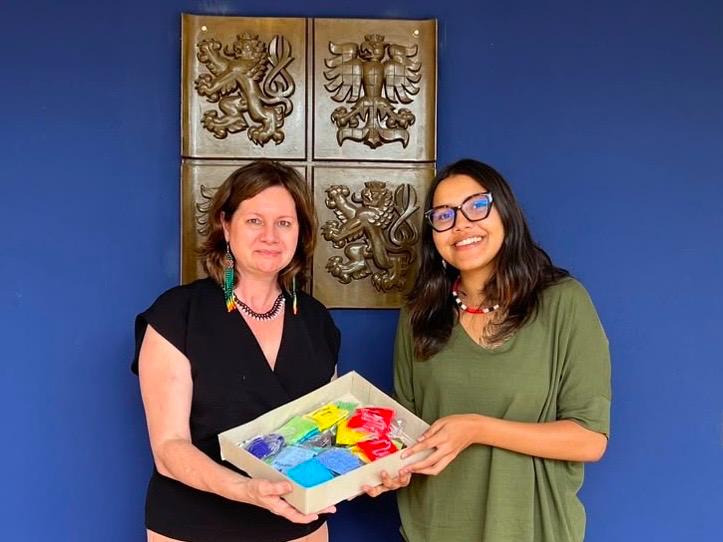
The 3rd ExpoTIX also had the support of the Royal Norwegian Embassy and the Embassy of France.
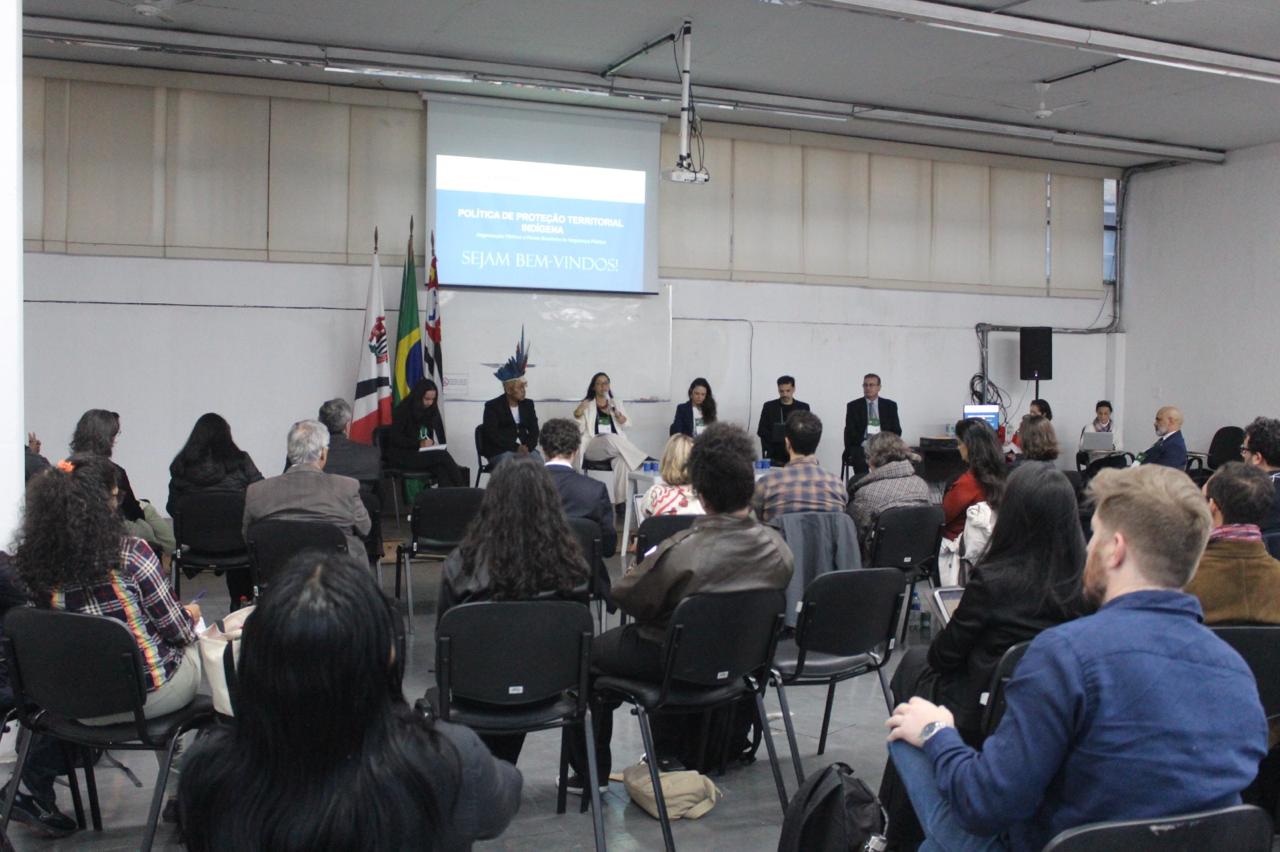
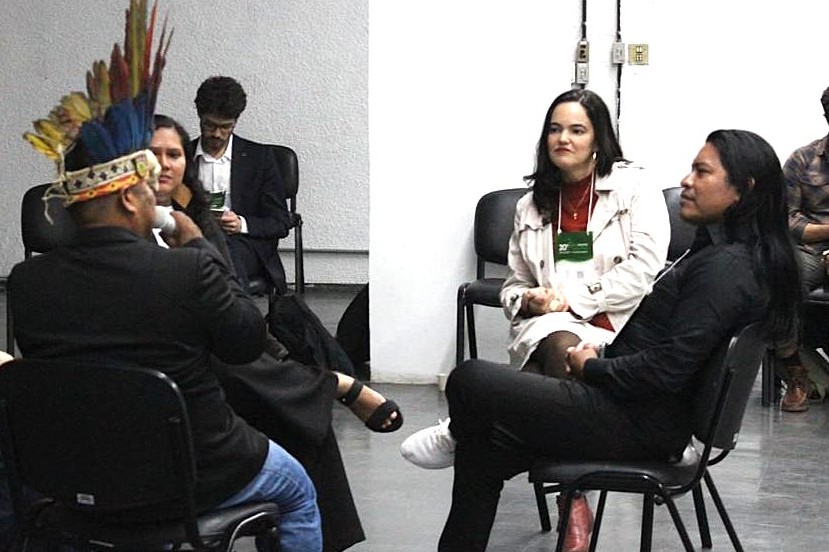
The programme of the 3rd ExpoTIX brought together leaders, producers and partners in discussion circles on the challenges and strengths of the Xingu Indigenous Territory. The themes are interconnected and revolve around one idea: ensuring that the peoples can continue to live and produce in their territory, with autonomy and security.
For the peoples of the Xingu, the bioeconomy starts from what already exists in the territory: forest management, food from the gardens, honey, handicrafts and knowledge passed down between generations. In the discussion circles, the subject was addressed together with value chains, the path that takes a product from the village to the buyer, through production, organisation and sale.
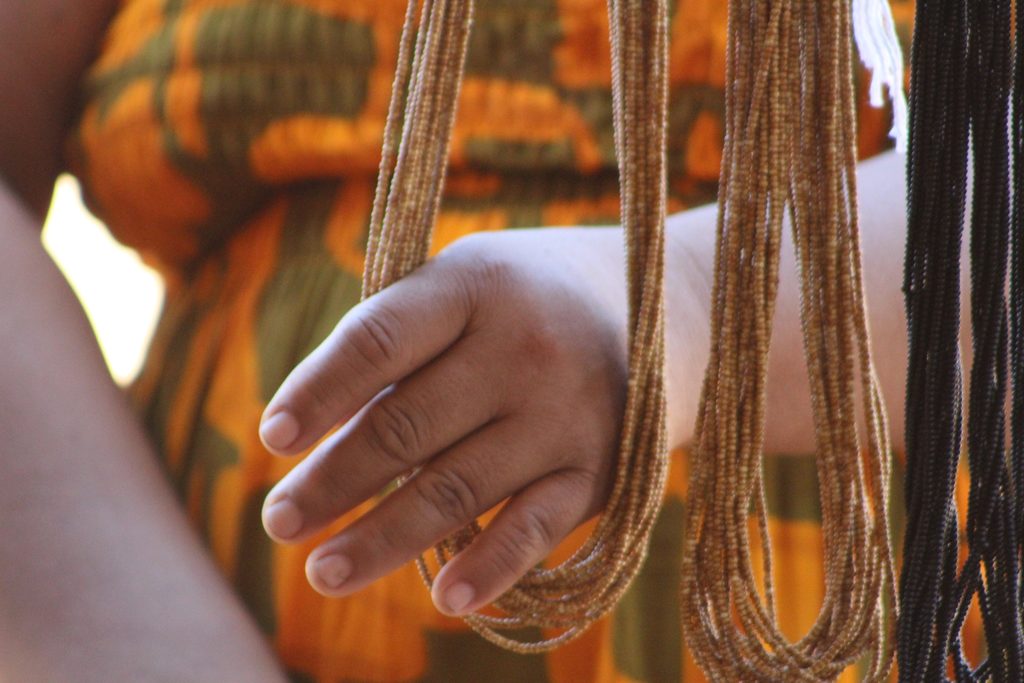
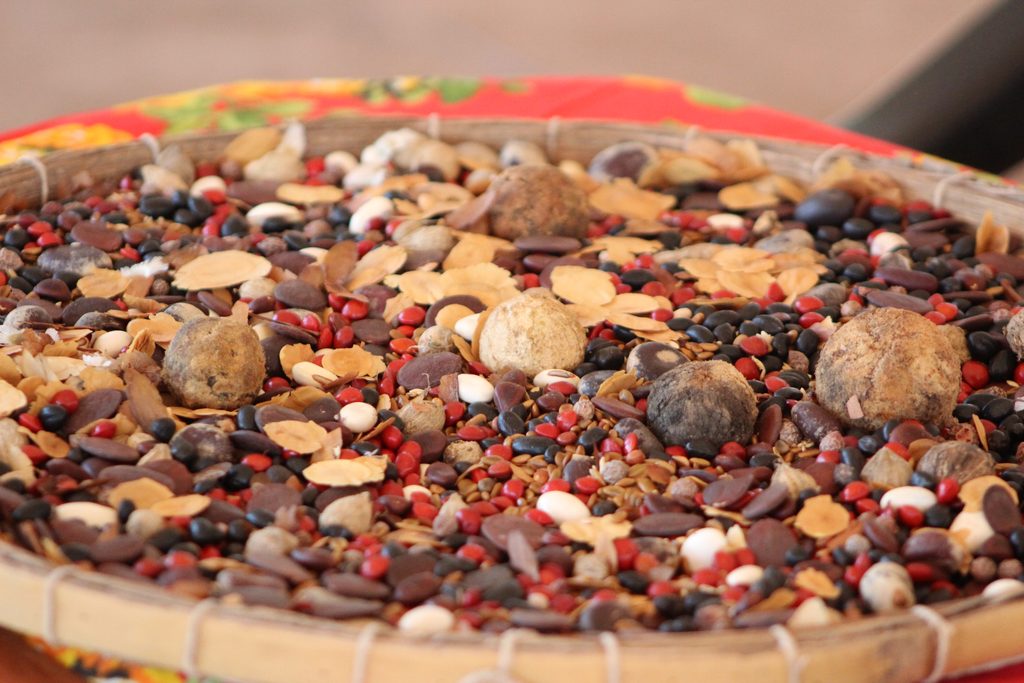
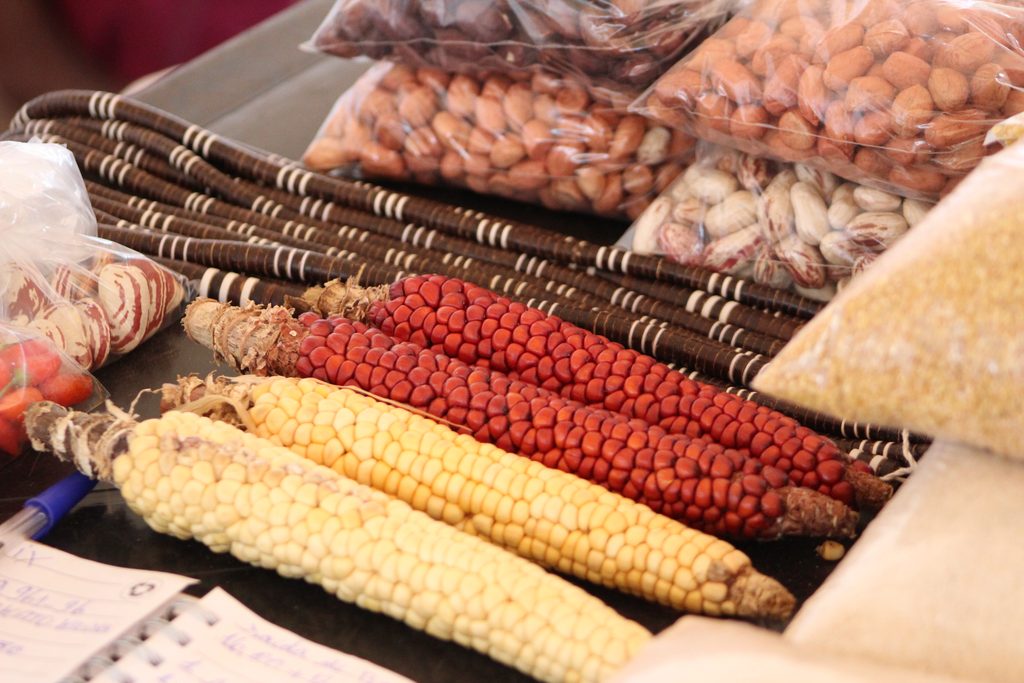
This debate is already part of ExpoTIX's history. The fair showed products such as honey, water hyacinth salt, ceramics, necklaces, peanuts and other traditional foods, as well as projects such as beekeeping, which brings together producers from several peoples. The fair shows that Indigenous peoples produce, generate income and care for the territory at the same time. That is why it is important to recognise Indigenous economies as ancestral technology and a form of resistance.
Agroecology values traditional gardens, seed diversity and farming that respects the cycles of nature. At ExpoTIX, this theme is linked to care for traditional food, which strengthens the health, culture and autonomy of communities. The Letter from the 2nd ExpoTIX had already drawn attention to pressures such as the advance of agribusiness and the spread of ultra-processed foods, which threaten the ways of life and production of the Xingu peoples.
Letter from the 2nd ExpoTIX (in Portuguese)
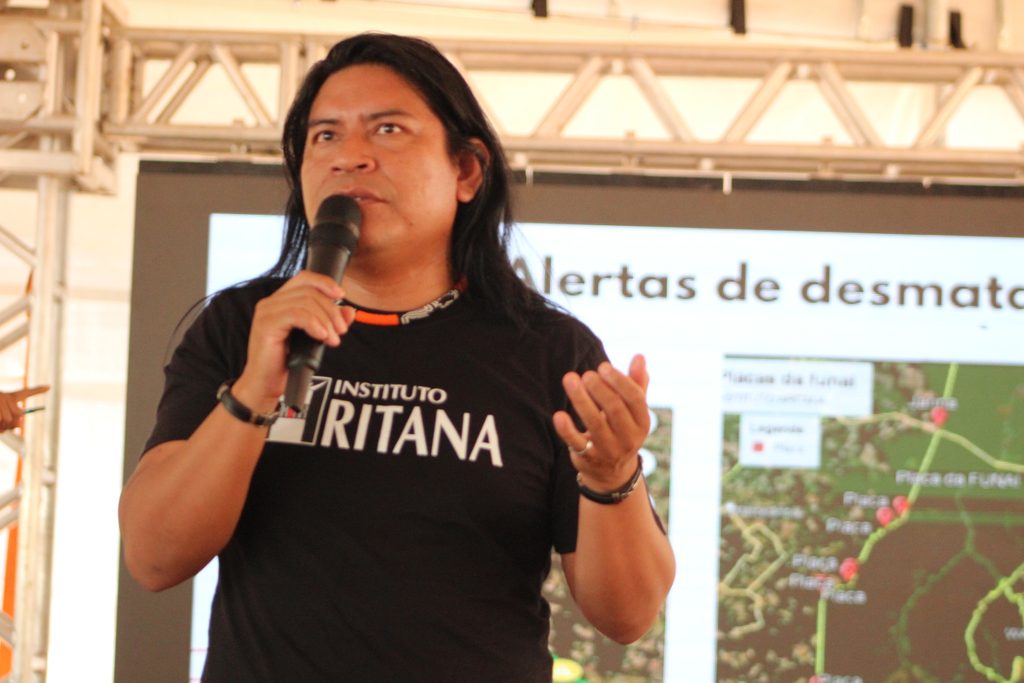
Protecting the territory is the foundation of everything. Without preserved land there are no gardens, no fishing and no culture. The discussion circles on this theme addressed the surveillance and monitoring of Indigenous lands, the role of expedition programmes and coordination with public bodies and partners. It was in this space that the Instituto Aritana presented the activities of its Territorial Monitoring Programme, with a talk by coordinator Ronnan Kayabi showing how fieldwork contributes to the defence of the Xingu lands.
In the Xingu, resistance takes many forms: defending the territory, keeping languages and rituals alive, education within the villages, the participation of women and communication carried out by Indigenous people themselves. These themes were also on the programme, along with the alignment of the PGTA, the Territorial Management Plan of the Xingu Indigenous Territory, which guides collective decisions about the future of the territory.
The Moitará, the free exchange of products and objects that closes the fair, sums up this idea in practice: to resist is also to keep alive the relationships between peoples and the bonds of care and reciprocity.
Learn more: Instagram (video) · Instagram (post)
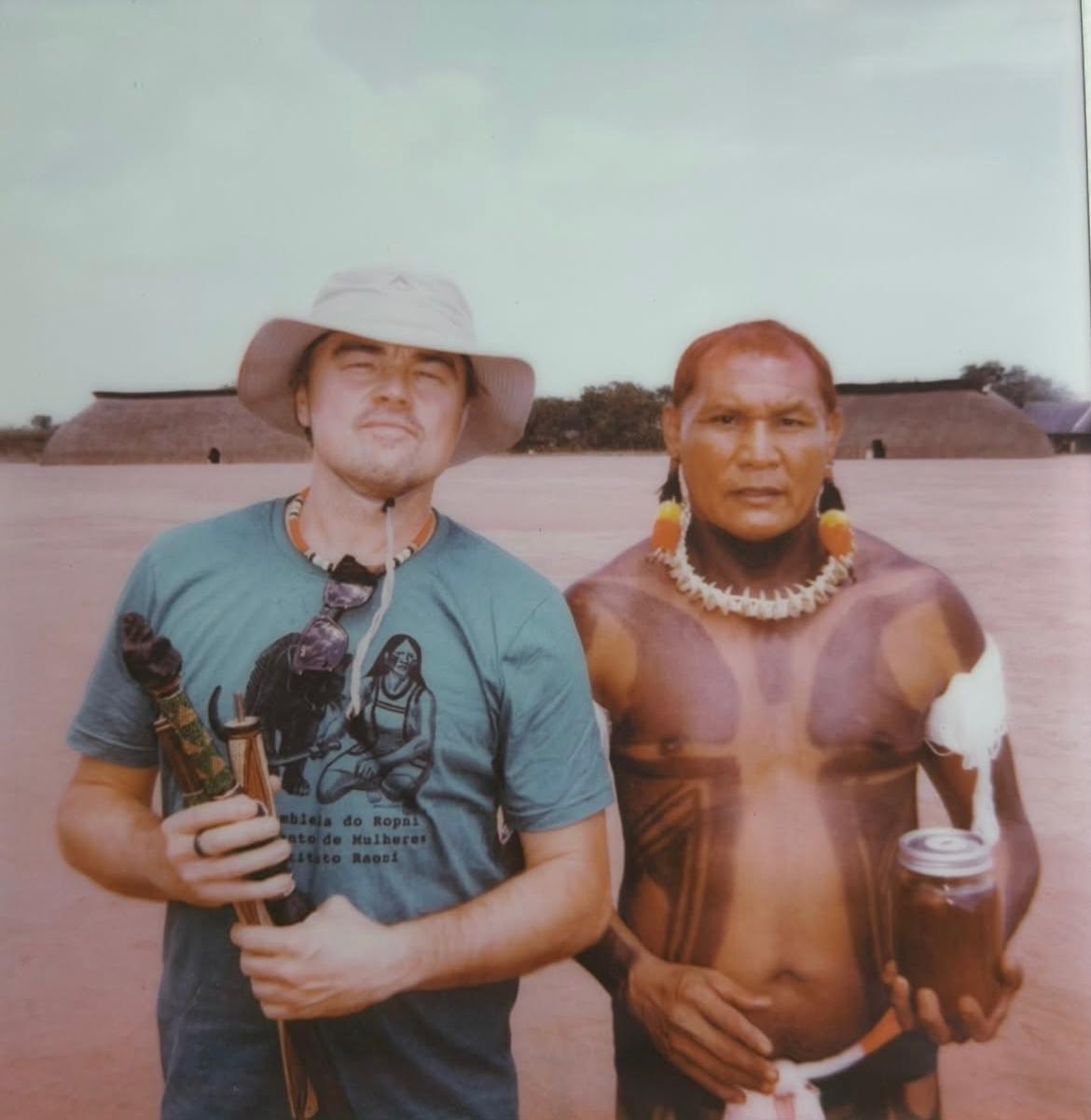
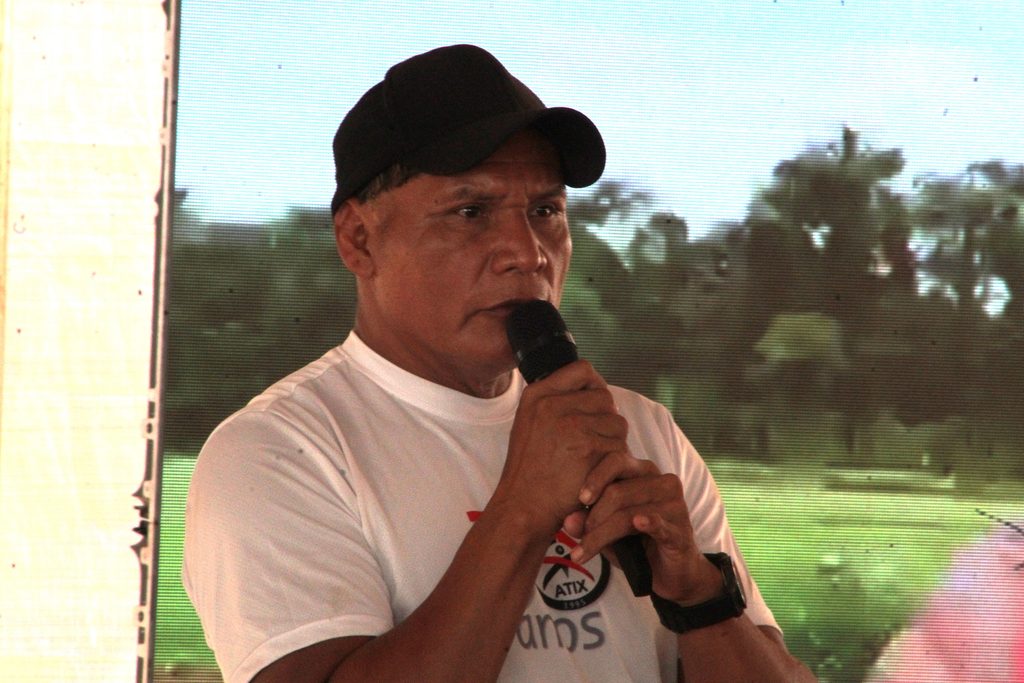
Photos: president of the Instituto Aritana, Tapi Yawalapiti; Monitoring coordinator, Ronnan Kayabi. Photography: Communications Office / Instituto Aritana.
← All news