Instituto Aritana
The Xingu
Territory
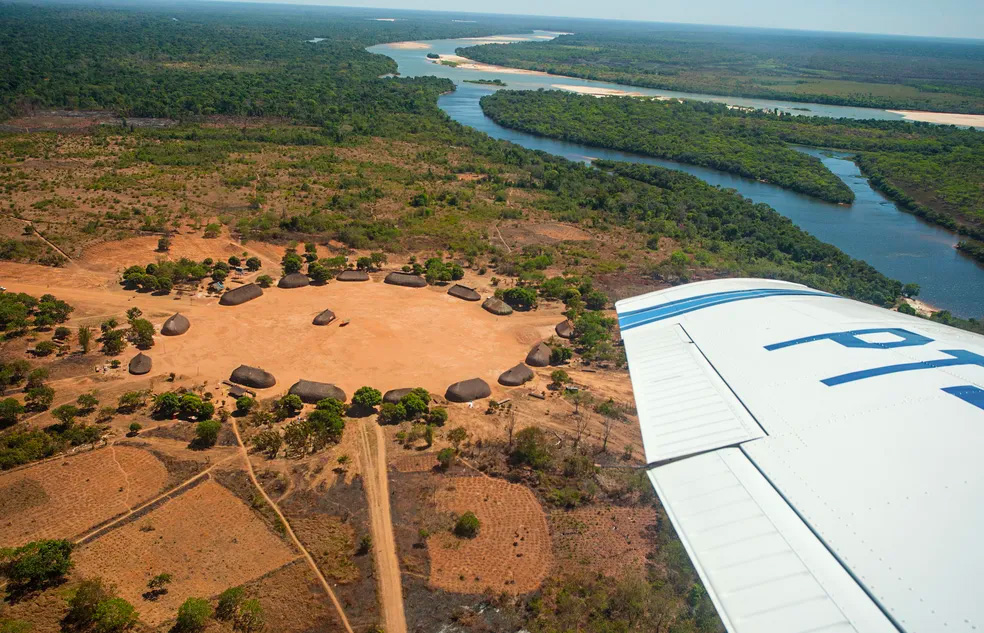
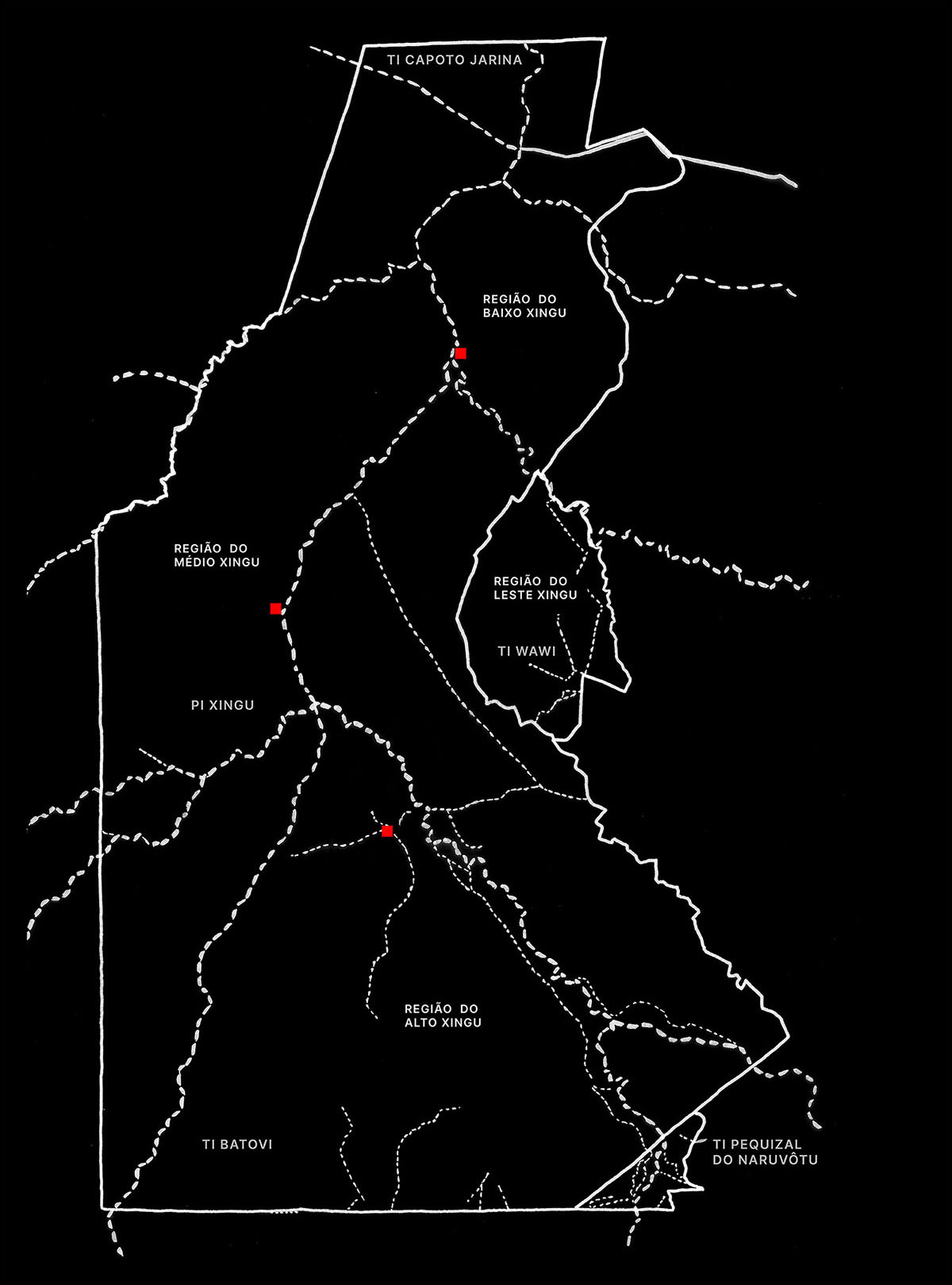
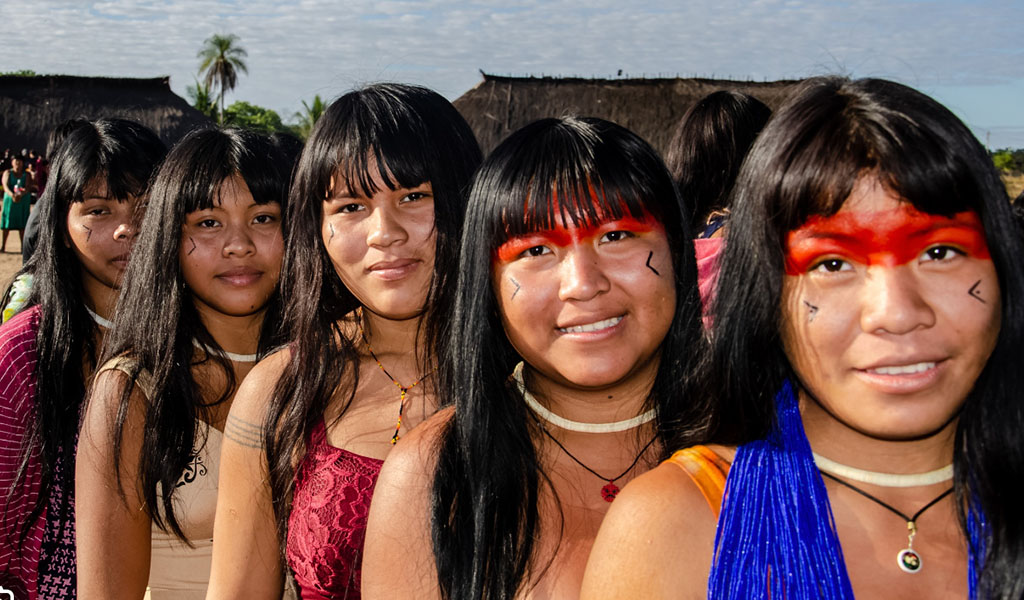
The TIX is home to 16 different Indigenous peoples, speaking languages from 4 linguistic trunks (Arawak, Carib, Tupi and Macro-Jê, as well as one people with an isolated language), with a population of around 8,000 Indigenous people. Together they form a great linguistic and cultural mosaic: keepers of ancestral wisdom, great cultural diversity, material cultures and knowledge of sacred traditional medicines. The Xingu peoples perform many spiritual rituals involving the sacred, food and traditional music, in a culture that is both traditional and strong.
Lower Xingu
Region
Peoples: Kawaiwete, Yudja
In the Lower Xingu, in the northern part of the Territory, the river and the forest shape daily life. This is home to the Kawaiwete, also known as the Kaiabi, renowned for their basketry, their featherwork and the care they give to their gardens. The Yudja, also called the Juruna, live here too: a people bound to the river, to fishing and to navigation.
Middle Xingu
Region
Peoples: Ikpeng, Trumai, Kamaiura, Kawaiwete, Waura
The Middle Xingu is a region of encounter. Peoples of different origins and languages live side by side: Ikpeng, Trumai, Kamaiura, Kawaiwete and Waura. Each keeps its own songs, graphic patterns and festivals, and together they form a network of exchange, alliance and coexistence. The Ikpeng are also known for their audiovisual work.
Eastern Xingu
Region
Peoples: Kisêdjê, Tapayuna
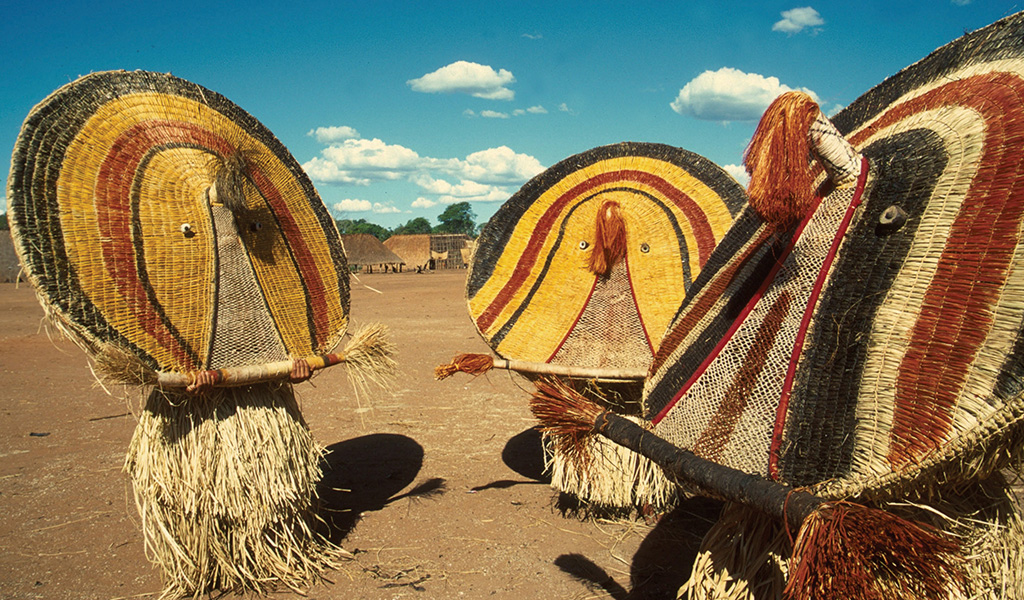
In the Eastern Xingu, on the border with the Wawi Indigenous Land, live the Kisêdjê and the Tapayuna, peoples of the Macro-Jê linguistic trunk. The Kisêdjê, also known as the Suyá, are renowned for their songs and traditional ceremonies. The Tapayuna, who went through a difficult history of contact, are today rebuilding their life and culture within the Territory. Although they have their own languages and traditions, these peoples maintain close ties and cultural affinity with the Upper Xingu.
The Mouse Ceremony (Amtô) of the Kisêdjê people is a traditional ritual linked to the maize harvest and to the social and cosmological renewal of the community.
Upper Xingu
Region
Peoples: Yawalapíti, Waura, Mehinako, Aweti, Kamaiura, Kuikuro, Kalapalo, Nafukua, Matipu
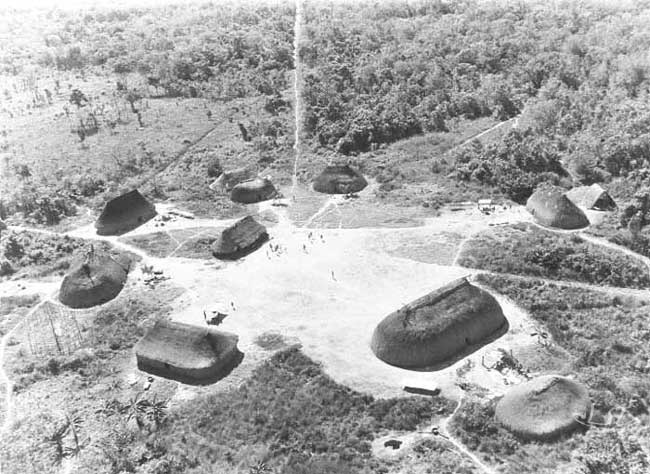
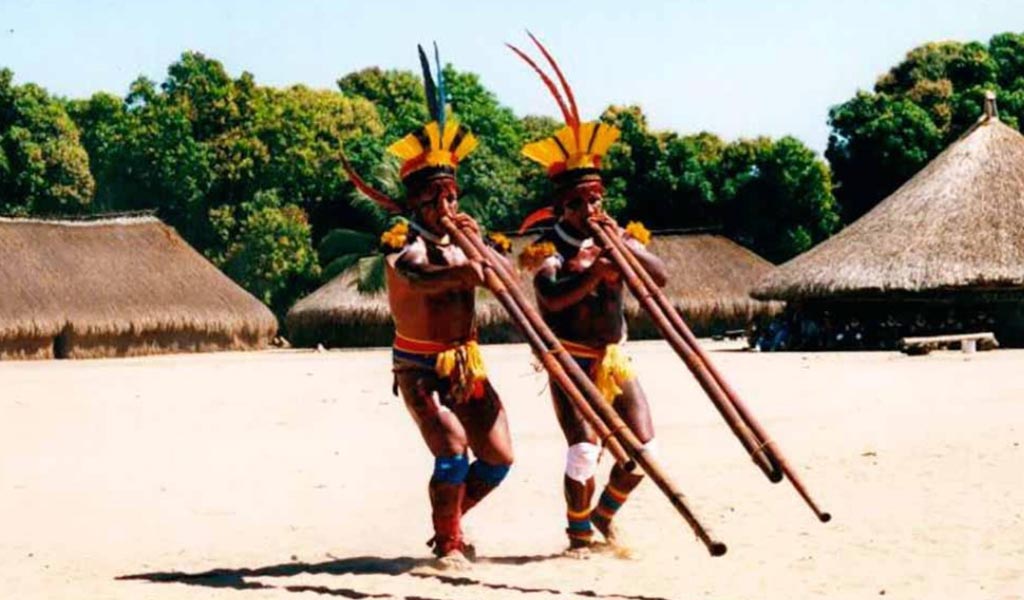
In the Upper Xingu, at the headwaters of the Territory, live peoples who speak different languages (Carib, Arawak and Tupi) yet share a common way of life. Rituals such as the Kuarup, trade between villages, fishing, pottery and festivals make up what is known as the “Upper Xingu cultural complex”, one of the best-known traditions of the Indigenous peoples of Brazil.