Notícias

News

20th Meeting of the Brazilian Public Security Forum

The Instituto Aritana took part in the 20th Meeting of the Public Security Forum through a partnership with the Ministry of Indigenous Peoples (MPI). The event was held at the Police Academy (ACADEPOL) in São Paulo from 15 to 18 September.

Read more

When the world looks at the forest, it must look at those who protect it

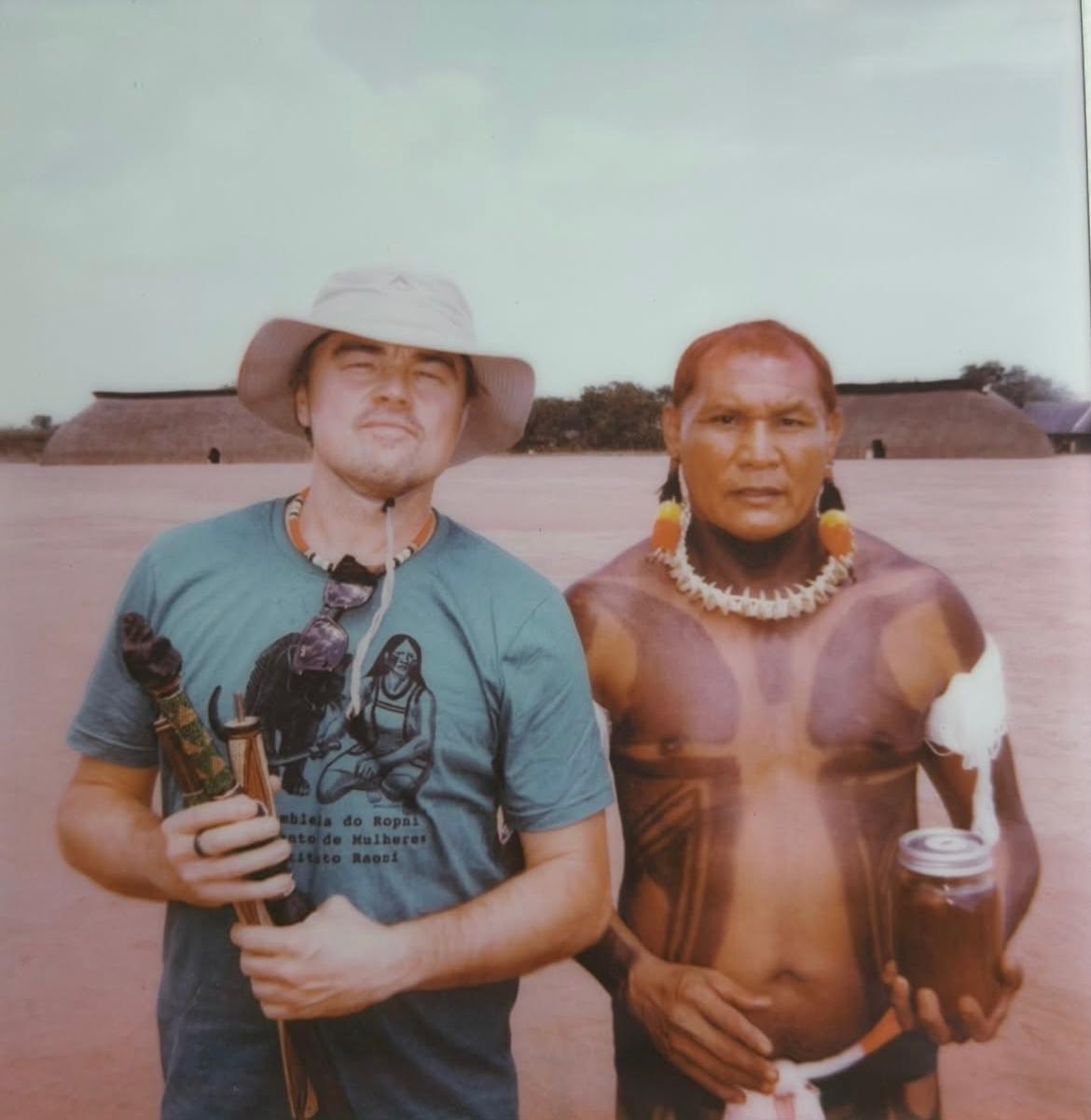
The future of the planet runs through Brazil: through the Amazon, the Pantanal and the Cerrado, and above all through the peoples who have cared for these territories for generations. In September 2026, Leonardo DiCaprio, founder of Re:wild, travelled through these three biomes and spoke with those who live on and defend these lands.

Read more

← Todas as notícias

3ª ExpoTIX – Feira e Exposição dos Produtos do Território Indígena do Xingu

A 3ª ExpoTIX foi organizada pela Associação Terra Indígena Xingu (ATIX), graças ao esforço conjunto de diversas instituições que apoiam os povos do território. Entre elas estava o Instituto Aritana, presente no polo Leonardo Villas-Boas ao lado de lideranças e produtores dos povos do Xingu.

Estiveram presentes representantes de organizações parceiras e órgãos públicos:

  • Instituto Socioambiental (ISA)
  • Rede de Cooperação Amazônica (RCA)
  • FUNAI e sua Coordenação Regional do Xingu
  • DSEI Xingu (Distrito Sanitário Especial Indígena)
  • Ministério dos Povos Indígenas (MPI)
  • The Amazon Conservation Team Brasil
  • Fiocruz
  • Projeto Xingu
  • Funbio, por meio do Programa COPAÍBAS
  • Tradição e Futuro, da Petrobras

A 3ª ExpoTIX contou ainda com o apoio da Embaixada Real da Noruega e da Embaixada da França.

A programação da 3ª ExpoTIX reuniu lideranças, produtores e parceiros em rodas de conversa sobre os desafios e as potências do Território Indígena do Xingu. Os temas se conectam e giram em torno de uma ideia: garantir que os povos possam continuar vivendo e produzindo em seu território, com autonomia e segurança.

Para os povos do Xingu, a bioeconomia parte do que já existe no território: o manejo da floresta, a comida das roças, o mel, o artesanato e os saberes transmitidos entre gerações. Nas rodas de conversa, o assunto foi tratado junto com as cadeias de valor, o caminho que leva um produto da aldeia até quem compra, passando pela produção, pela organização e pela venda.

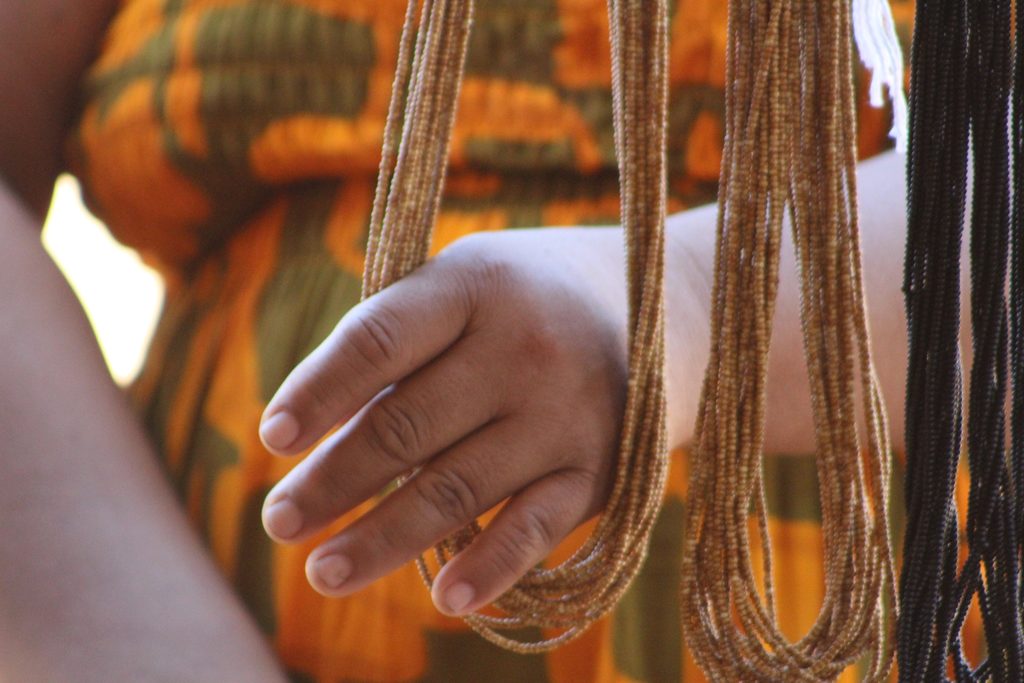
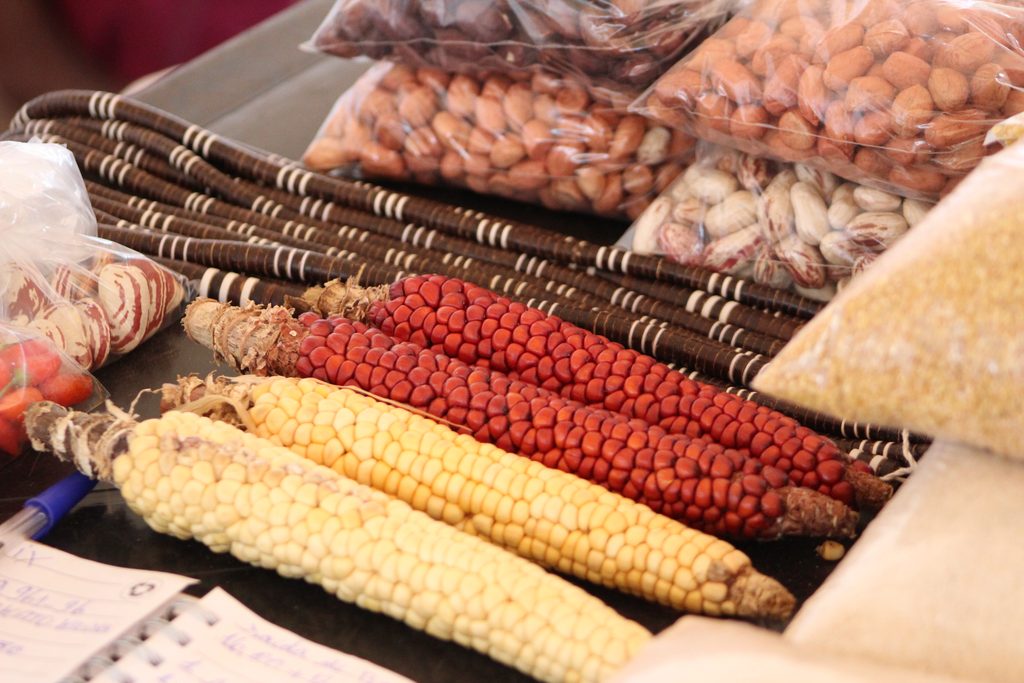
Esse debate já faz parte da história da ExpoTIX. A feira mostrou produtos como mel, sal de aguapé, cerâmica, colares, amendoim e outros alimentos tradicionais, além de projetos como a apicultura, que reúne produtores de vários povos. A feira mostra que os povos indígenas produzem, geram renda e cuidam do território ao mesmo tempo. Por isso é importante reconhecer as economias indígenas como tecnologia ancestral e forma de resistência.

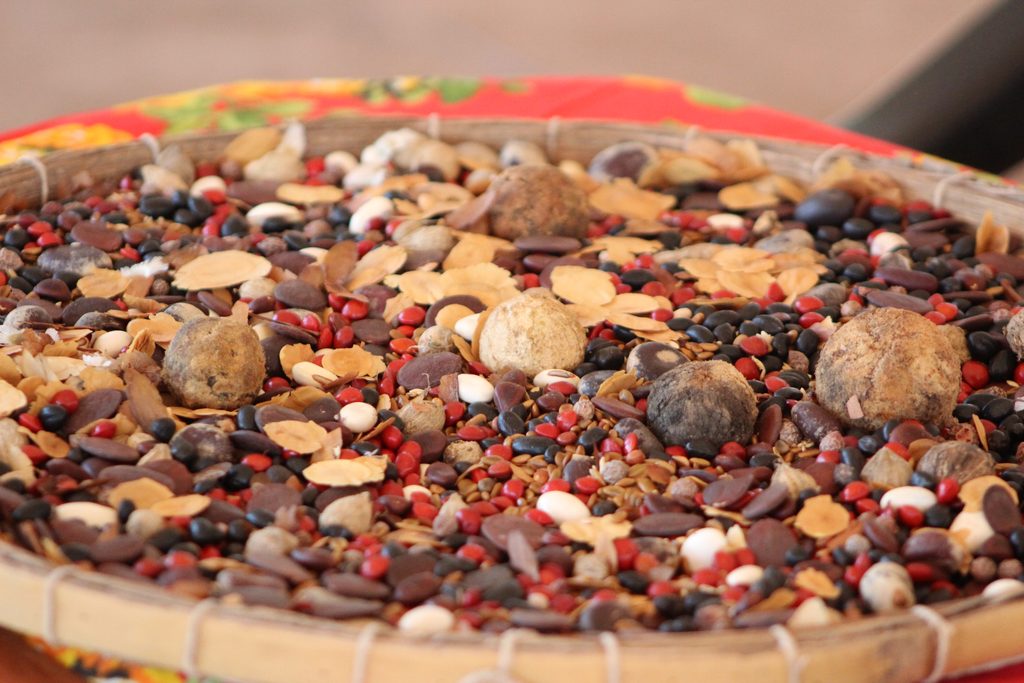
A agroecologia valoriza as roças tradicionais, a diversidade de sementes e um cultivo que respeita os ciclos da natureza. Na ExpoTIX, esse tema se liga ao cuidado com a alimentação tradicional, que fortalece a saúde, a cultura e a autonomia das comunidades. A Carta da 2ª ExpoTIX já chamava atenção para pressões como o avanço do agronegócio e a difusão de alimentos ultraprocessados, que ameaçam os modos de vida e de produção dos povos do Xingu.

Carta da 2ª ExpoTIX

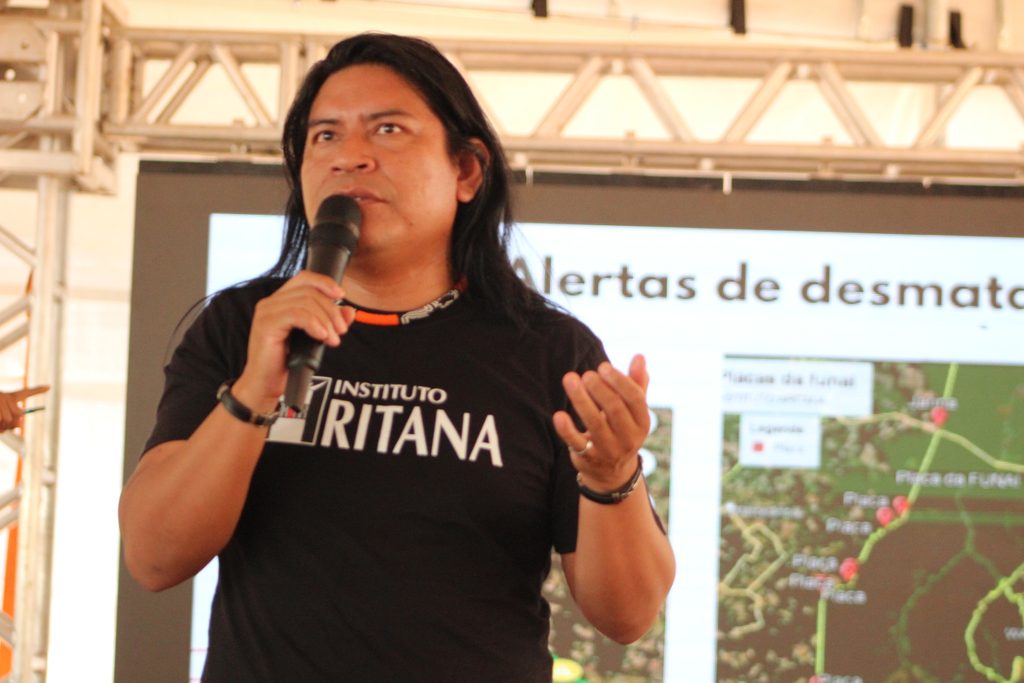
Proteger o território é a base de tudo. Sem terra preservada não há roça, não há pesca e não há cultura. As rodas de conversa sobre esse tema trataram da vigilância e do monitoramento das terras indígenas, do papel dos programas de expedições e da articulação com órgãos públicos e parceiros. Foi nesse espaço que o Instituto Aritana apresentou as atividades do seu Programa de Monitoramento Territorial, com uma fala do coordenador Ronnan Kayabi mostrando como o trabalho de campo contribui para a defesa das terras do Xingu.

No Xingu, a resistência tem muitas formas: defender o território, manter vivas as línguas e os rituais, a educação dentro das aldeias, a participação das mulheres e a comunicação feita pelos próprios indígenas. Esses temas também estiveram na programação, junto com o alinhamento do PGTA, o Plano de Gestão Territorial do Território Indígena do Xingu, que orienta as decisões coletivas sobre o futuro do território.

O Moitará, a troca livre de produtos e objetos que encerra a feira, resume essa ideia na prática: resistir também é manter vivas as relações entre os povos e os laços de cuidado e reciprocidade.

Saiba mais: Instagram (vídeo) · Instagram (publicação)

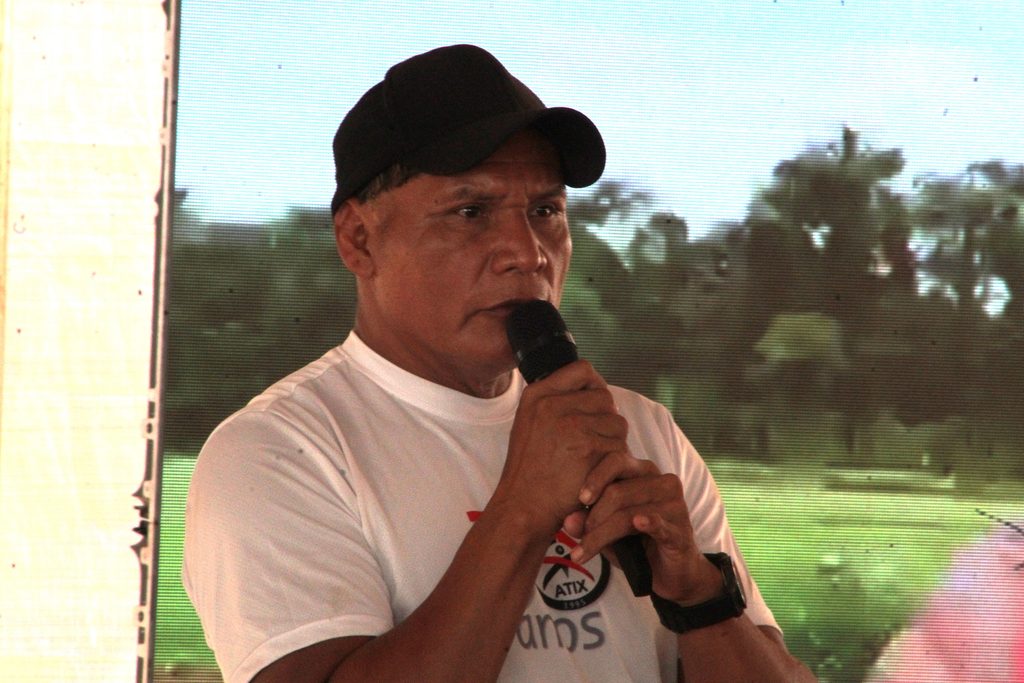
Fotos: presidente do Instituto Aritana, Tapi Yawalapiti; coordenador de Monitoramento, Ronnan Kayabi. Fotografia: Assessoria de Comunicação / Instituto Aritana.

← Todas as notícias

← Todas as notícias

20º Encontro do Fórum Brasileiro de Segurança Pública

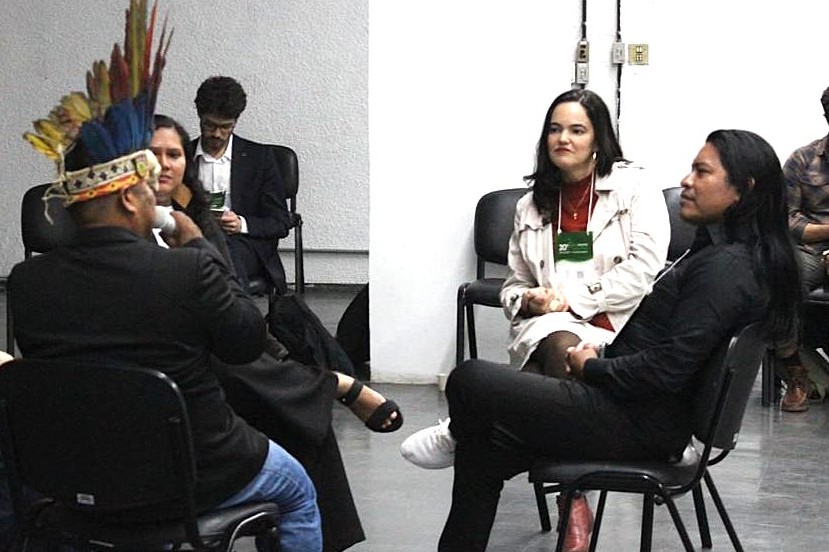
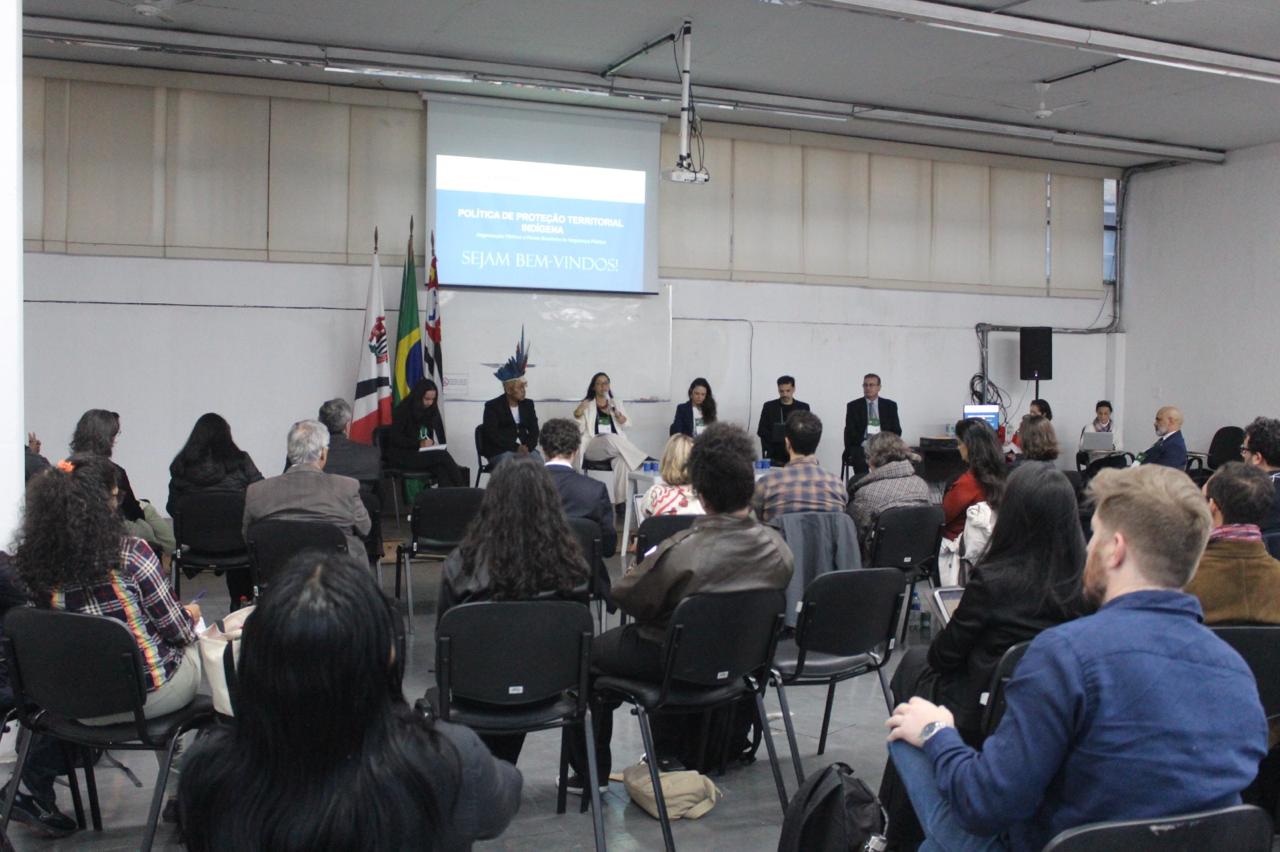
Por meio da parceria com o Ministério dos Povos Indígenas (MPI), o Instituto Aritana participou do 20º Encontro do Fórum de Segurança Pública, realizado na ACADEPOL, na cidade de São Paulo, de 15 a 18 de setembro.

O encontro contou com a presença do Ministério dos Povos Indígenas (MPI), da Coordenação das Organizações Indígenas da Amazônia Brasileira (COIAB), do Instituto Socioambiental (ISA) e de outros órgãos e instituições que atuam em projetos socioambientais e na política territorial, reunindo diferentes atores em torno de um objetivo: fortalecer a proteção dos territórios indígenas.

Durante o evento, os participantes discutiram estratégias para reforçar a vigilância e a proteção dos territórios indígenas, combinando saberes tradicionais e tecnologia a serviço da segurança e da conservação socioambiental.

Essa participação reafirma o compromisso do Instituto Aritana com a defesa dos direitos territoriais dos povos indígenas e com a construção de políticas públicas mais eficazes e participativas para a proteção de seus territórios.

Saiba mais: Programação do Fórum · Instagram

Fotos: Assessoria de Comunicação / Instituto Aritana.

← Todas as notícias

← Todas as notícias

Quando o mundo olha para a floresta, é preciso olhar para quem a protege

O futuro do planeta passa pelo Brasil. Passa pela Amazônia, pelo Pantanal e pelo Cerrado e, sobretudo, pelos povos que cuidam desses territórios há gerações.

Em setembro de 2026, Leonardo DiCaprio, fundador da Re:wild, percorreu esses três biomas e conversou com quem vive e defende essas terras: lideranças indígenas, ambientalistas, organizações locais e representantes do governo. Foi uma jornada para ouvir quem conhece a floresta, os rios e os desafios de mantê-los em pé.

Entre as vozes ouvidas estavam lideranças que são referência na defesa dos direitos indígenas e da Amazônia. O cacique Raoni Metuktire, da Terra Indígena Capoto/Jarina, é uma das figuras mais históricas dessa luta. Do Território Indígena do Xingu vieram o cacique Tapi Yawalapiti e a liderança feminina Watatakalu Yawalapiti, que expressam a força e a sabedoria dos povos do Xingu.

A viagem incluiu ainda um encontro com o presidente Lula e integrantes do governo federal para discutir a proteção da biodiversidade, dos territórios indígenas e dos ecossistemas.

Proteger a floresta não é só uma questão ambiental: significa garantir que os povos possam continuar vivendo, produzindo e transmitindo seus saberes em seus próprios territórios. Por isso, proteger a Amazônia, o Pantanal e o Cerrado é proteger os povos indígenas e o futuro.

Saiba mais: Instagram

Publicações e fotos: @midiaindigenaoficial e @leonardodicaprio.

← Todas as notícias

← Todas as notícias

Das contas de vidro tchecas ao Alto Xingu: uma amizade de mais de 40 anos

Você sabia que a maior parte das miçangas de vidro usadas no artesanato dos povos indígenas do Brasil vem da República Tcheca? As contas são produzidas pela Preciosa Ornela, na cidade de Zásada, conhecida pela longa tradição nesse ofício.

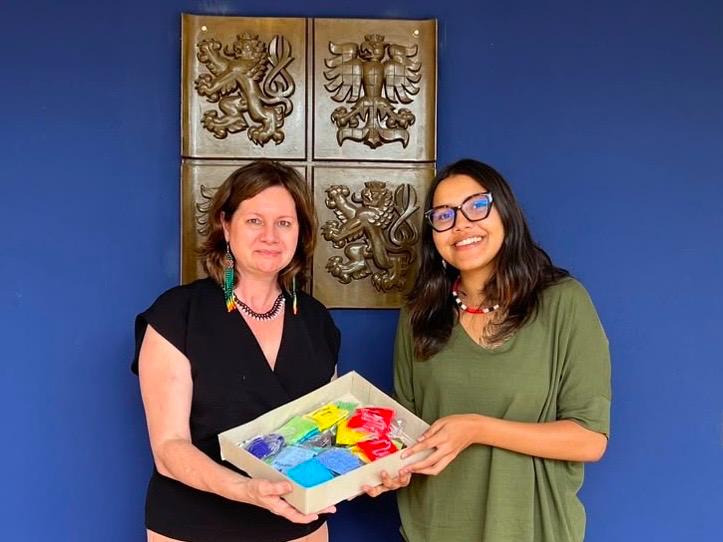
No dia 21 de setembro, a Embaixada da República Tcheca em Brasília recebeu Milena Lima, representando o Instituto Aritana, em encontro com a embaixadora Pavla Havrlíková para receber uma doação de miçangas ao povo Yawalapiti.

O presente vem do etnólogo, antropólogo, ex-diplomata e escritor tcheco Mnislav Atapana Zelený, amigo da comunidade há mais de quatro décadas. Em suas visitas ao Alto Xingu, ele criou laços profundos com os Yawalapiti e foi adotado pelo povo, que lhe deu o nome indígena Atapana.

Em novembro, essa história será compartilhada com o público. O Memorial dos Povos Indígenas, em Brasília, deve receber uma exposição de fotografias que documenta a amizade e a vida compartilhada de Atapana e dos Yawalapiti, uma oportunidade de conhecer melhor a cultura desse povo.

Para o Instituto Aritana, presidido pelo cacique Tapi Yawalapiti e batizado com o nome de seu pai, o cacique Aritana, encontros como esse mostram que o intercâmbio cultural aproxima os povos e fortalece laços construídos com respeito, cooperação e valorização das tradições indígenas.

Saiba mais: Diplomacia Business

Na foto: a embaixadora tcheca Pavla Havrlíková e Milena Lima, do Escritório de Projetos do Instituto Aritana.

← Todas as notícias

← All news

3rd ExpoTIX – Fair and Exhibition of Products from the Xingu Indigenous Territory
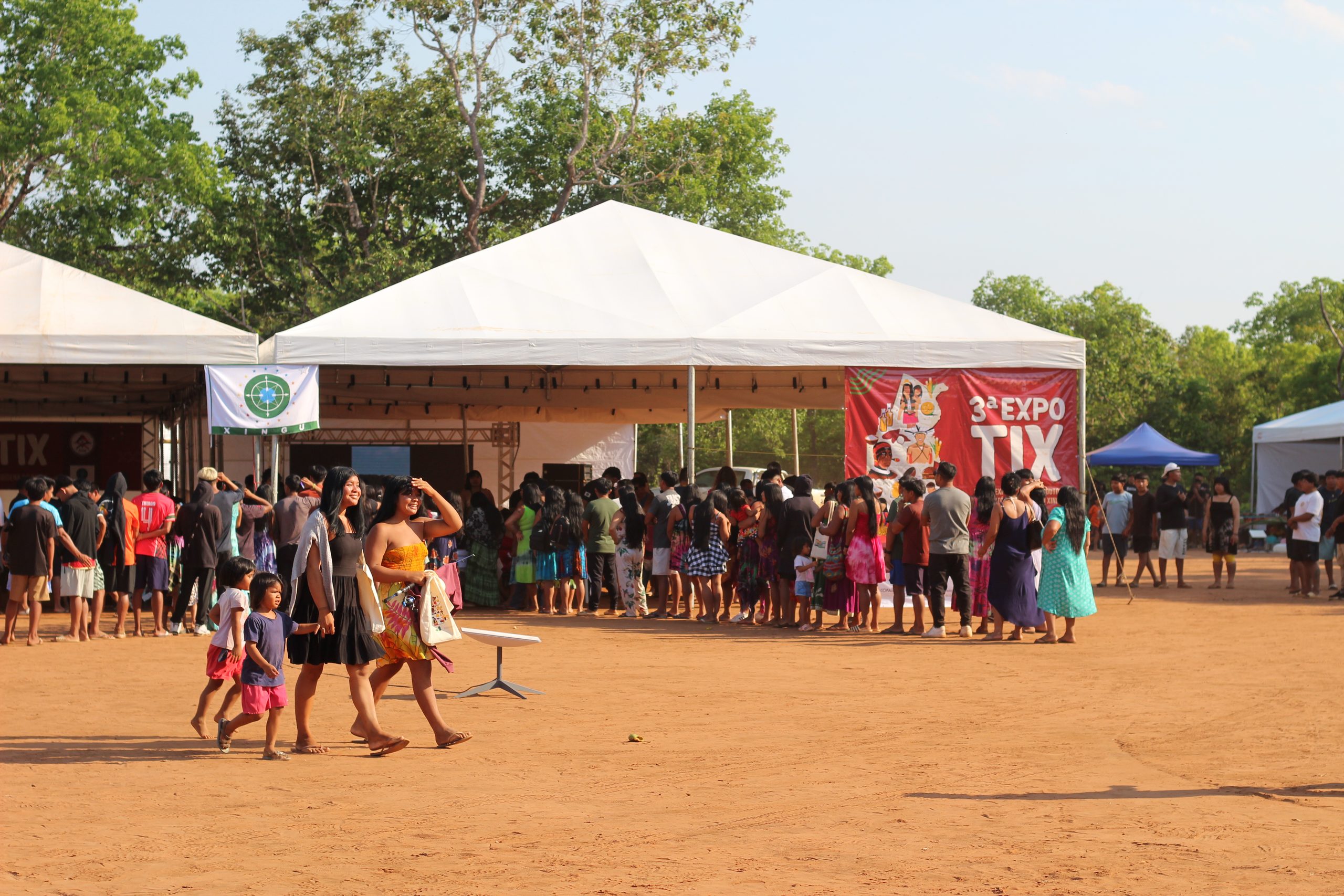
The 3rd ExpoTIX was organised by the Xingu Indigenous Land Association (ATIX), thanks to the joint efforts of many institutions that support the peoples of the territory. Among them was the Instituto Aritana, present at the Leonardo Villas-Boas hub alongside the leaders and producers of the Xingu peoples.

Representatives of partner organisations and public bodies were present:

  • Instituto Socioambiental (ISA)
  • Amazon Cooperation Network (RCA)
  • FUNAI and its Xingu Regional Coordination
  • DSEI Xingu (Special Indigenous Health District)
  • Ministry of Indigenous Peoples (MPI)
  • The Amazon Conservation Team Brasil
  • Fiocruz
  • Projeto Xingu
  • Funbio, through the COPAÍBAS Programme
  • Tradição e Futuro, from Petrobras

The 3rd ExpoTIX also had the support of the Royal Norwegian Embassy and the Embassy of France.

The programme of the 3rd ExpoTIX brought together leaders, producers and partners in discussion circles on the challenges and strengths of the Xingu Indigenous Territory. The themes are interconnected and revolve around one idea: ensuring that the peoples can continue to live and produce in their territory, with autonomy and security.

For the peoples of the Xingu, the bioeconomy starts from what already exists in the territory: forest management, food from the gardens, honey, handicrafts and knowledge passed down between generations. In the discussion circles, the subject was addressed together with value chains, the path that takes a product from the village to the buyer, through production, organisation and sale.

This debate is already part of ExpoTIX's history. The fair showed products such as honey, water hyacinth salt, ceramics, necklaces, peanuts and other traditional foods, as well as projects such as beekeeping, which brings together producers from several peoples. The fair shows that Indigenous peoples produce, generate income and care for the territory at the same time. That is why it is important to recognise Indigenous economies as ancestral technology and a form of resistance.

Agroecology values traditional gardens, seed diversity and farming that respects the cycles of nature. At ExpoTIX, this theme is linked to care for traditional food, which strengthens the health, culture and autonomy of communities. The Letter from the 2nd ExpoTIX had already drawn attention to pressures such as the advance of agribusiness and the spread of ultra-processed foods, which threaten the ways of life and production of the Xingu peoples.

Letter from the 2nd ExpoTIX (in Portuguese)

Protecting the territory is the foundation of everything. Without preserved land there are no gardens, no fishing and no culture. The discussion circles on this theme addressed the surveillance and monitoring of Indigenous lands, the role of expedition programmes and coordination with public bodies and partners. It was in this space that the Instituto Aritana presented the activities of its Territorial Monitoring Programme, with a talk by coordinator Ronnan Kayabi showing how fieldwork contributes to the defence of the Xingu lands.

In the Xingu, resistance takes many forms: defending the territory, keeping languages and rituals alive, education within the villages, the participation of women and communication carried out by Indigenous people themselves. These themes were also on the programme, along with the alignment of the PGTA, the Territorial Management Plan of the Xingu Indigenous Territory, which guides collective decisions about the future of the territory.

The Moitará, the free exchange of products and objects that closes the fair, sums up this idea in practice: to resist is also to keep alive the relationships between peoples and the bonds of care and reciprocity.

Learn more: Instagram (video) · Instagram (post)

Photos: president of the Instituto Aritana, Tapi Yawalapiti; Monitoring coordinator, Ronnan Kayabi. Photography: Communications Office / Instituto Aritana.

← All news

← All news

20th Meeting of the Brazilian Public Security Forum

Through its partnership with the Ministry of Indigenous Peoples (MPI), the Instituto Aritana took part in the 20th Meeting of the Public Security Forum, held at ACADEPOL, in the city of São Paulo, from 15 to 18 September.

The meeting was attended by the Ministry of Indigenous Peoples (MPI), the Coordination of Indigenous Organisations of the Brazilian Amazon (COIAB), the Instituto Socioambiental (ISA) and other bodies and institutions working on socio-environmental projects and territorial policy, bringing different actors together around a shared goal: strengthening the protection of Indigenous territories.

During the event, participants discussed strategies to reinforce the surveillance and protection of Indigenous territories, combining traditional knowledge and technology in the service of security and socio-environmental conservation.

This participation reaffirms the Instituto Aritana's commitment to defending the territorial rights of Indigenous peoples and to building more effective and participatory public policies for the protection of their territories.

Learn more: Forum programme (in Portuguese) · Instagram

Photos: Communications Office / Instituto Aritana.

← All news
← All news

When the world looks at the forest, it must look at those who protect it

The future of the planet runs through Brazil. It runs through the Amazon, the Pantanal and the Cerrado and, above all, through the peoples who have cared for these territories for generations.

In September 2026, Leonardo DiCaprio, founder of Re:wild, travelled through these three biomes and spoke with those who live on and defend these lands: Indigenous leaders, environmentalists, local organisations and government representatives. It was a journey to listen to those who know the forest, the rivers and the challenges of keeping them standing.

Among the voices heard were leaders who are a reference in the defence of Indigenous rights and of the Amazon. Chief Raoni Metuktire, of the Capoto/Jarina Indigenous Territory, is one of the most historic figures of this struggle. From the Xingu Indigenous Territory came Chief Tapi Yawalapiti and the women's leader Watatakalu Yawalapiti, who express the strength and wisdom of the Xingu peoples.

The trip also included a meeting with President Lula and members of the federal government to discuss the protection of biodiversity, Indigenous territories and ecosystems.

Protecting the forest is not only an environmental issue: it means ensuring that peoples can continue to live, produce and pass on their knowledge in their own territories. That is why protecting the Amazon, the Pantanal and the Cerrado is protecting Indigenous peoples and the future.

Learn more: Instagram

Posts and photos: @midiaindigenaoficial and @leonardodicaprio.

← All news

← All news

From Czech glass beads to the Upper Xingu: a friendship of more than 40 years

Did you know that most of the glass beads used in the handicrafts of Indigenous peoples in Brazil come from the Czech Republic? The beads are produced by Preciosa Ornela, in the town of Zásada, known for its long tradition in this craft.

On 21 September, the Embassy of the Czech Republic in Brasília welcomed Milena Lima, representing the Instituto Aritana, at a meeting with Ambassador Pavla Havrlíková to receive a donation of beads for the Yawalapiti people.

The gift comes from the Czech ethnologist, anthropologist, former diplomat and writer Mnislav Atapana Zelený, a friend of the community for more than four decades. During his visits to the Upper Xingu, he forged deep bonds with the Yawalapiti and was adopted by the people, who gave him the Indigenous name Atapana.

In November, this story will be shared with the public. The Memorial of Indigenous Peoples, in Brasília, is expected to host a photography exhibition documenting the friendship and shared life of Atapana and the Yawalapiti, an opportunity to learn more about the culture of this people.

For the Instituto Aritana, chaired by Chief Tapi Yawalapiti and named after his father, Chief Aritana, encounters like this show that cultural exchange brings peoples closer together and strengthens bonds built on respect, cooperation and appreciation of Indigenous traditions.

Learn more: Diplomacia Business (in Portuguese)

In the photo: Czech ambassador Pavla Havrlíková and Milena Lima, of the Instituto Aritana Projects Office.

← All news